
Ground Preparation That Prevents Costly Problems
Site Work in Hoover for properties requiring land clearing, grading, and foundation preparation
Goodwin Design & Build LLC handles site work in Hoover through a systematic approach that addresses soil conditions, drainage patterns, and foundation requirements before any vertical construction begins. Properties with uneven terrain, poor drainage, or overgrown vegetation need comprehensive land clearing and grading to establish stable building platforms. The work includes excavation, utility trenching for water and sewer lines, and erosion control measures that account for the clay-heavy soils common throughout central Alabama.
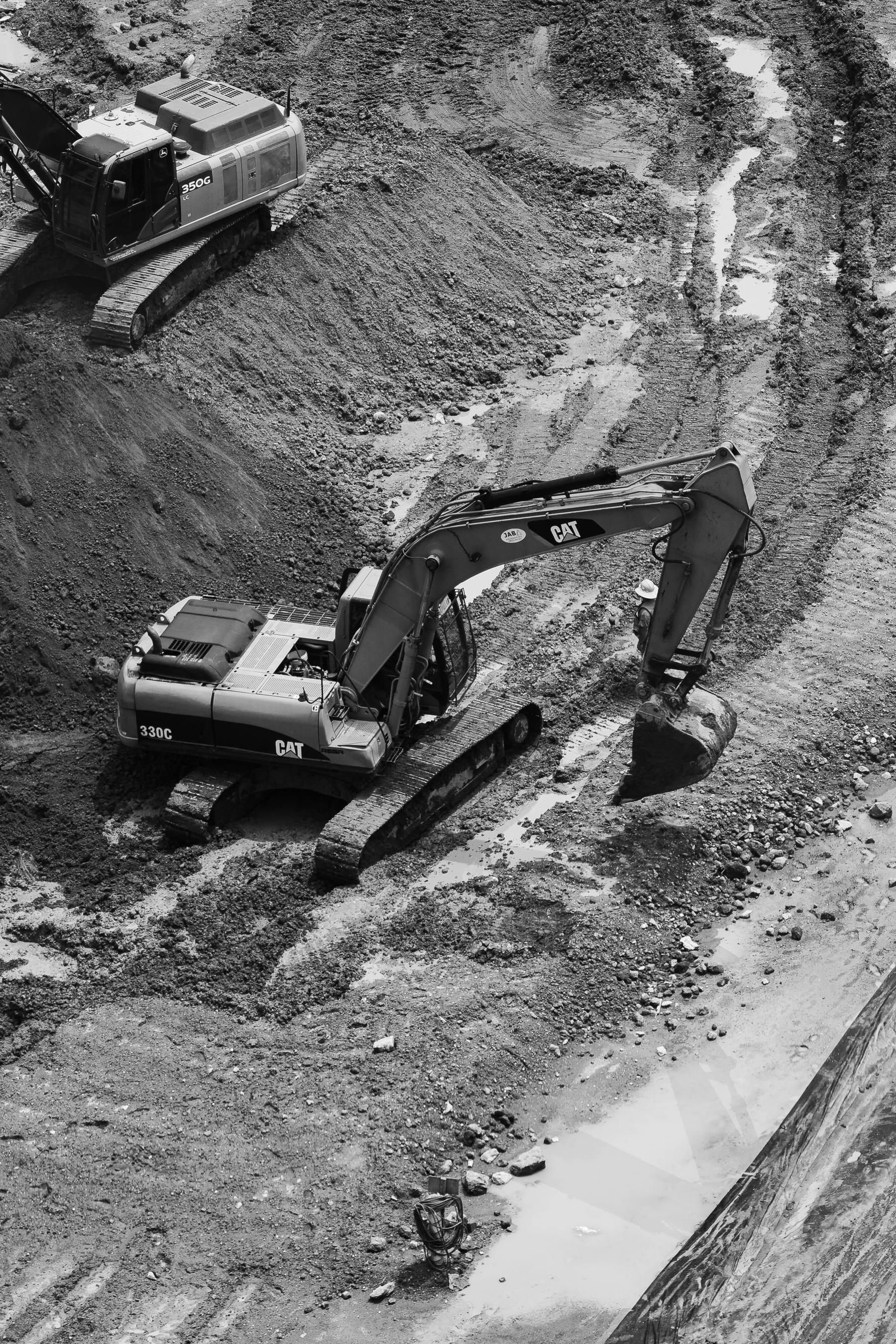
Site work transforms raw land into construction-ready ground by removing vegetation and debris, reshaping the topography to direct water away from structures, and compacting soil to support foundations or paving. This involves operating heavy equipment to cut high spots, fill low areas, and create precise slopes that prevent water from pooling near buildings or running toward neighboring properties. For properties in Hoover, managing runoff becomes critical during the region's heavy spring storms when saturated clay soil loses its ability to absorb additional moisture.
Schedule a property evaluation to assess grading requirements and drainage patterns specific to your building site.
What Proper Site Preparation Requires
The process begins with land clearing to remove trees, stumps, brush, and topsoil, exposing the subgrade layer that will support structures or paving. Excavation work follows to dig utility trenches for water, sewer, and electrical lines, ensuring they slope correctly for gravity flow and meet depth requirements for freeze protection and code compliance. Rough grading shapes the overall site contours, while final grading creates precise elevations and slopes measured to within fractions of an inch.
After grading is complete, you see a property with defined elevations that direct rainwater toward designated drainage points rather than allowing it to sheet across the surface or collect in depressions. Driveways and access roads sit at appropriate heights relative to the building pad, preventing water from running toward the foundation. The ground feels firm underfoot because proper compaction has eliminated voids and soft spots that would otherwise settle over time and cause cracking in concrete or asphalt surfaces.
Site work also includes installing erosion control measures such as silt fencing, sediment basins, or temporary seeding to stabilize exposed soil during construction. Foundation pads receive additional compaction and may incorporate geotextile fabric or engineered fill depending on soil bearing capacity. The scope of work varies based on whether the project involves residential construction, commercial development, or agricultural improvements, with each requiring different load-bearing specifications and drainage strategies.
Site preparation affects every aspect of construction that follows, and understanding the process helps property owners make informed decisions about timelines and requirements.
Common Questions About This Service
What happens during land clearing and how deep does excavation go?
Land clearing removes all vegetation down to bare soil, while excavation depth depends on the specific need—utility trenches typically run three to four feet deep for sewer lines, foundation pads may require removing several feet of unsuitable soil, and grading cuts can extend deeper where significant elevation changes are necessary.
How does grading prevent water problems in Hoover's clay soil conditions?
Proper grading creates slopes that direct water away from structures at a minimum two percent grade, which translates to a quarter-inch drop per foot of horizontal distance, allowing gravity to move runoff toward drainage swales or storm systems even when clay soil becomes saturated and stops absorbing moisture.
What determines whether a site needs erosion control measures?
Any project that disturbs more than one acre requires erosion control per environmental regulations, but smaller sites in Hoover benefit from these measures during the wet season when exposed clay soil erodes rapidly and sediment can wash onto adjacent properties or clog drainage infrastructure.
When should utility trenching occur relative to other site work?
Utility trenching happens after rough grading establishes overall site elevations but before final grading and compaction, allowing trenches to be backfilled and compacted as part of the final surface preparation without disrupting finished grades.
How is final grade verified before construction begins?
Final grade is checked using laser levels or GPS-guided equipment to confirm elevations match engineering plans within tolerance, typically plus or minus one-tenth of a foot, ensuring drainage flows as designed and foundation forms sit at correct heights.
Goodwin Design & Build LLC provides site work services that address the full scope of ground preparation, from initial land clearing through final grading and utility installation. Request a site assessment to determine excavation requirements and develop a grading plan for your property.