
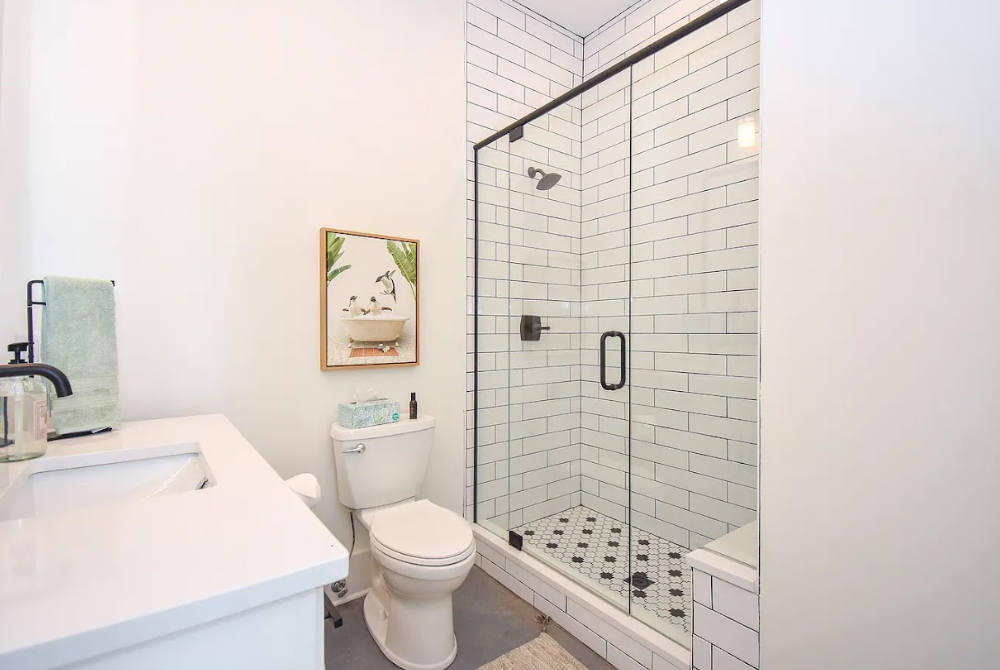
Bathrooms Built for Daily Function and Comfort
Bathroom Remodeling Services in Hoover for cramped layouts and aging fixtures that hinder morning routines
Grout lines that darken with mildew despite repeated cleaning, shower doors that leak onto the floor, and vanities with drawers that swell from moisture exposure all point to a bathroom that needs structural updates rather than cosmetic fixes. A complete redesign addresses these problems by replacing tile installations that trap water, upgrading plumbing fixtures that waste water or fail to maintain temperature, and reconfiguring storage to keep moisture-sensitive items away from direct spray zones. Goodwin Design & Build LLC manages bathroom remodeling projects in Hoover, handling everything from layout adjustments that improve clearance around the toilet and shower to tile work that channels water toward the drain without pooling near the threshold.
The service includes demolition of existing fixtures and tile, followed by shower or bathtub installation—walk-in designs eliminate the step-over barrier, while tiled surrounds allow custom niches and bench seating. Vanity upgrades incorporate drawers with moisture-resistant interiors, and tile flooring is installed with a slight slope toward the drain to prevent standing water. Plumbing updates often involve replacing old supply lines that reduce water pressure and installing fixtures with flow restrictors that maintain pressure while conserving water.
Request a detailed estimate based on your current bathroom layout and the specific plumbing or tile issues you've noticed.
Why Tile Installation and Plumbing Updates Matter
Tile installation begins with a waterproof membrane that prevents water from reaching the subfloor, especially critical in Alabama's humid climate where moisture lingers and encourages mold growth beneath surfaces. Custom patterns, such as herringbone or stacked layouts, require precise cuts at borders and fixtures, and grout lines are sealed after curing to block water infiltration. Heated floors involve electric mats installed beneath tile, controlled by programmable thermostats that warm the surface during morning hours.
After the remodel completes, you step into a shower with consistent water temperature that doesn't fluctuate when other fixtures turn on, tile floors that dry quickly without water collecting in low spots, and vanity drawers that open smoothly without sticking from humidity. Mirrors remain clear longer because improved ventilation removes steam faster, and storage compartments keep towels and toiletries organized without crowding the countertop. Spa-like features such as rainfall showerheads and handheld sprayers provide flexibility for different tasks, from quick rinses to thorough cleaning.
Full redesigns may shift the toilet location to create more clearance, move the vanity to a wall with better lighting, or expand the shower footprint by reducing an oversized bathtub that rarely gets used. These layout changes require plumbing relocation and updated drain positioning, which must be planned before tile work begins to avoid cutting into newly installed surfaces.
Bathroom remodeling often involves questions about material durability, fixture options, and how the work is sequenced to minimize disruption.
Common Questions About This Service
What distinguishes a walk-in shower from a standard tiled design?
Walk-in showers eliminate the curb or threshold, using a sloped floor to direct water toward the drain, which improves accessibility and creates a seamless visual transition with the rest of the bathroom floor.
How does plumbing replacement improve fixture performance?
Old galvanized pipes reduce water pressure and may corrode internally, while new supply lines maintain consistent flow and temperature, especially when multiple fixtures run simultaneously.
When should I consider heated floors during a bathroom remodel?
Heated floors make sense in Hoover when tile is already being replaced, since the electric mats install directly on the subfloor before tile is laid, avoiding the need for future demolition.
What tile materials resist moisture and staining best?
Porcelain tile absorbs less water than ceramic and resists staining without requiring sealant, while natural stone offers unique patterns but needs periodic sealing to prevent discoloration from soap and water.
How is drainage planned to prevent water pooling near the door?
The subfloor is sloped slightly toward the shower drain during installation, and threshold height is set to contain water within the wet zone while allowing easy entry and exit.
Goodwin Design & Build LLC coordinates tile work, plumbing updates, and fixture installation to ensure each component integrates properly and performs as expected. Contact us to discuss your bathroom's current limitations and explore layout options that address those issues.