
Floors That Hold Up Under Real Use
Flooring Installation & Replacement in Hoover for worn surfaces that show scratches, gaps, or water damage
High-traffic areas near entryways develop visible wear patterns where protective finishes thin, boards separate at seams, or tiles crack under repeated impact. Goodwin Design & Build LLC replaces hardwood, laminate, vinyl, tile, and carpet flooring in Hoover, addressing both cosmetic wear and underlying subfloor damage that causes uneven surfaces or squeaking. Properties with moisture issues in basements or kitchens benefit from flooring materials designed to resist warping and mold growth, while homes with active families often need surfaces that withstand scratches from furniture and pet claws without showing every mark.
Installation begins with removal of old flooring and inspection of the subfloor for rot, unevenness, or inadequate support. Subfloor repair may involve replacing damaged plywood sections, leveling compounds to correct dips, or reinforcing joists that flex underfoot. Hardwood requires acclimation to indoor humidity levels before installation to prevent post-installation gaps, while vinyl and laminate install over underlayment that dampens sound and smooths minor subfloor imperfections. Tile flooring demands a flat, rigid subfloor to prevent cracking along grout lines.
Arrange an on-site consultation to assess subfloor condition and identify which flooring material suits your room's moisture levels and use patterns.
What Changes After Flooring Replacement Completes
Custom flooring layouts account for room dimensions, doorway transitions, and natural light direction—hardwood planks run perpendicular to floor joists for structural support, while tile patterns orient toward focal points like fireplaces or large windows. Transitions between different flooring types use matching thresholds that prevent tripping hazards and close gaps where materials meet. Baseboards and trim work finish the edges, covering expansion gaps required for materials that expand and contract with humidity changes common in Alabama's climate.
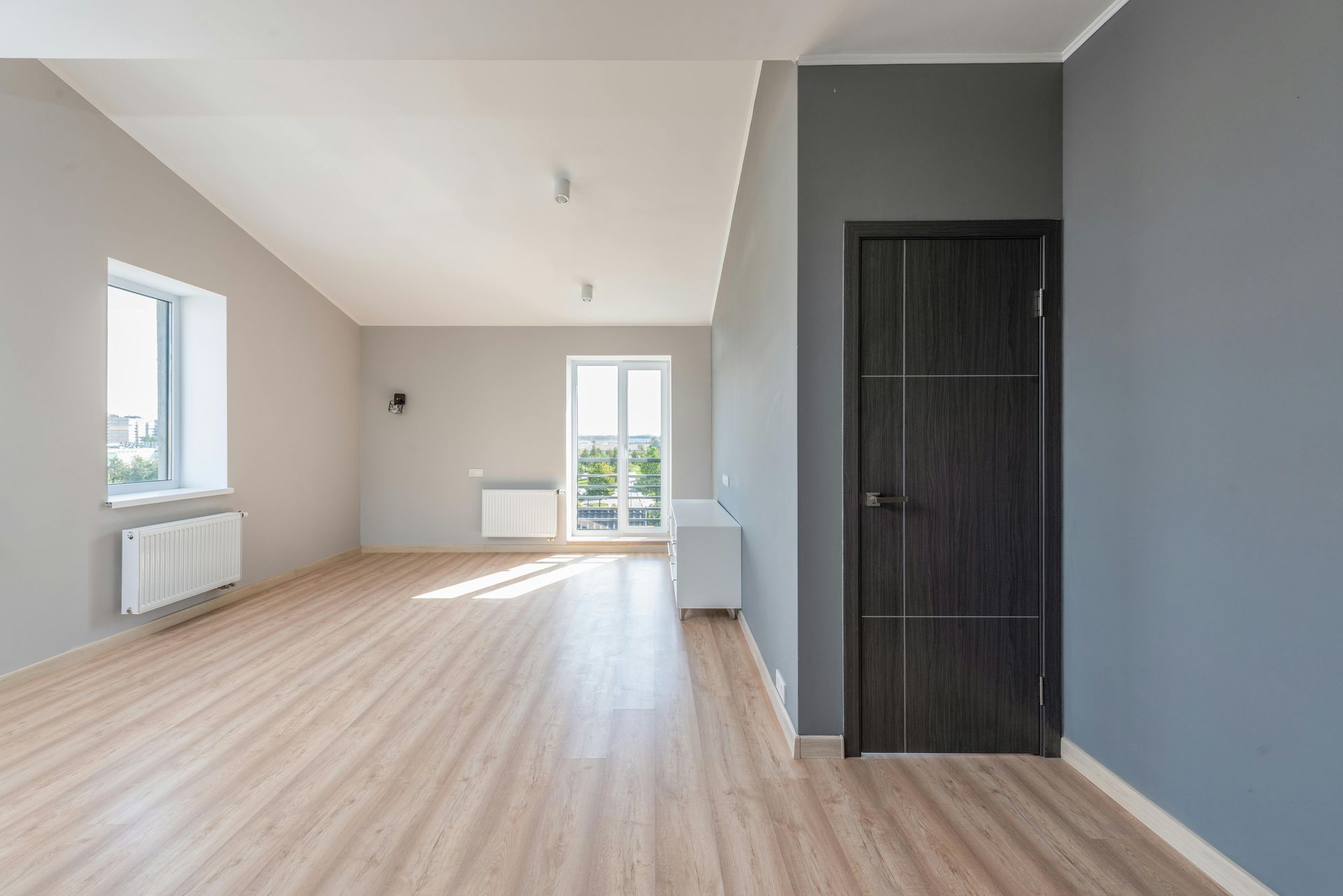
Once installation finishes, floors feel solid underfoot without flexing or creaking, surfaces align evenly at doorways and room transitions, and the finish resists scuffing from regular foot traffic. Moisture-resistant options in kitchens and basements prevent the swelling and cupping that occur when water seeps between planks, and carpet installations include padding that cushions steps and extends the life of the carpet fibers. Hardwood floors develop a consistent sheen across the entire surface, while vinyl and laminate lock together without visible seams that collect dirt.
Professional finishing includes quarter-round molding that accommodates floor expansion without creating visible gaps along walls, and shoe molding that covers irregular wall edges where drywall meets the floor. Stain and finish options for hardwood range from clear coats that highlight natural grain to darker tones that hide minor scratches and wear over time.
Flooring projects in Hoover often prompt questions about material selection, subfloor preparation, and how different options perform under daily use.
Answers to Frequent Service Questions
What flooring works best in rooms prone to moisture?
Vinyl and tile resist water absorption and won't warp or buckle when exposed to humidity or occasional spills, making them suitable for kitchens, bathrooms, and basements where moisture levels fluctuate.
How does subfloor condition affect the final installation?
An uneven or damaged subfloor causes flooring to flex, squeak, or crack, so repairs must be completed before new material is laid to prevent these issues from reappearing.
When should hardwood be refinished instead of replaced?
Refinishing works when the wood surface has enough thickness remaining above the tongue-and-groove joints to sand down and recoat, typically after wear has dulled the finish but before deep scratches reach the raw wood.
What determines the direction of plank or tile layout?
Planks typically run lengthwise in narrow rooms to visually widen the space, while tiles often align with the longest wall or center on architectural features to create balanced symmetry.
How is the transition handled between different flooring types?
Transition strips or reducers bridge the height difference and material change between rooms, available in profiles that match the flooring finish and prevent edges from lifting or catching on foot traffic.
Goodwin Design & Build LLC evaluates subfloor integrity before recommending flooring materials, ensuring the foundation supports the installation for long-term performance. Schedule a property evaluation to review your current flooring issues and discuss material options suited to your home's conditions.